Responding to natural hazard emergencies
How to protect the health of your community when a natural hazard emergency such as a flood, earthquake, dry weather or wildfire affects your drinking water supply.
Natural hazards can have a significant impact on the drinking water you supply to your community, possibly affecting both the quality of the water and the amount available for use. Follow the links below for guidance on what to do during and after a major natural hazard event, and how to prepare for future emergencies.
Guidance for natural hazard events
-
Floods
Learn about the risks that floods bring to your drinking water supply and how to manage them.Recently updatedRead more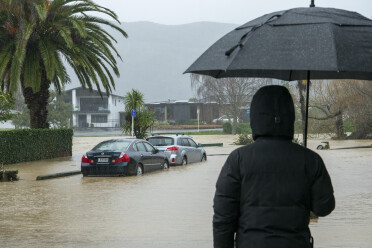
-
Dry weather
A prolonged dry spell (whether or not it becomes an official drought) can affect both the quality and availability of drinking water.Recently updatedRead more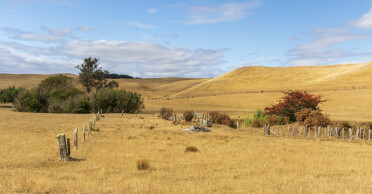
-
Wildfires
Wildfires can significantly affect the quality of your drinking water supply - while the fire is burning and well after it is out.Recently updatedRead more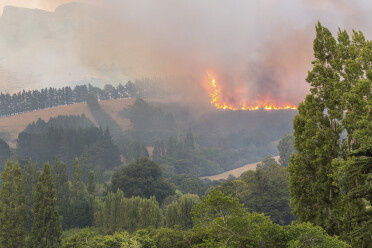
-
Earthquakes
A large earthquake can significantly damage your drinking water supply. In our quake-prone country, all drinking water suppliers should prepare.Recently updatedRead more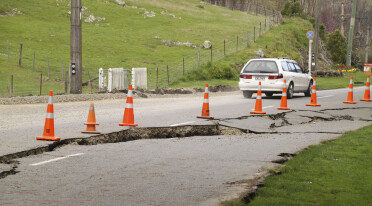
How to disinfect water if your supply is contaminated
If you're unsure whether your water is safe to drink during or after an emergency, take a precautionary approach. Assume that the water is unsafe until you've confirmed that your source water is still suitable for treatment, your treatment system is working properly and your distribution network is undamaged and free of contaminants.
If it's not possible to provide an alternative safe supply (e.g. bottled water or water from a water tanker), there are steps you and your community can take to disinfect water.
Contact us for emergency advice and support
If a natural hazard event affects your drinking water supply and you need to establish an alternative or emergency supply, or you need support and advice, contact us on 0800 454 717.